
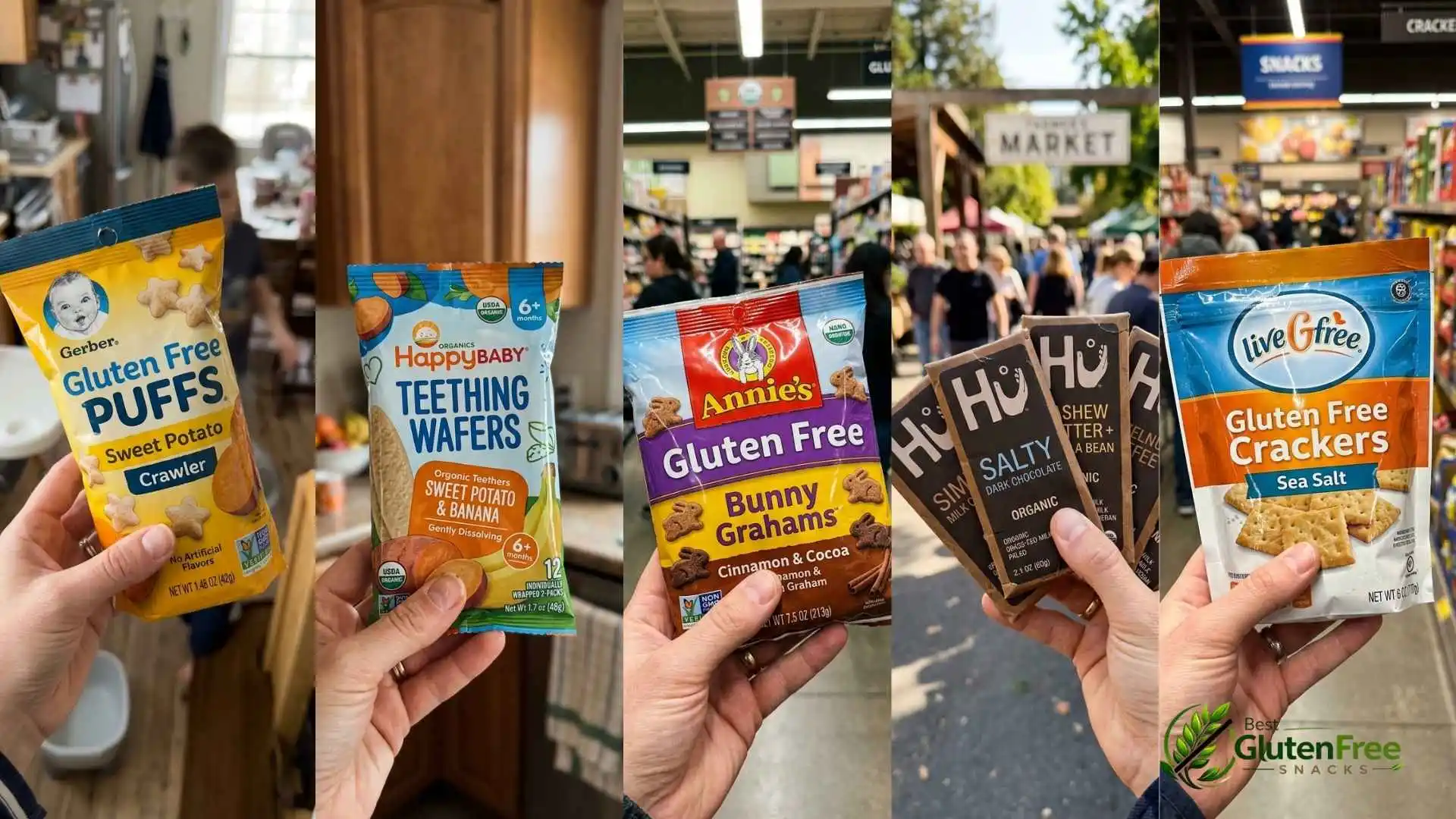
The best gluten free snacks to buy are Simple Mills Crackers, Chomps Meat Sticks, Hippeas Chickpea Puffs, and RXBAR. These options are easy to find, filling, and actually work in daily life without relying on starch-heavy fillers. It feels confusing once you step into a store. Everything looks “gluten-free” on the front, but once you flip the pack, it’s hard to tell which snacks are actually worth buying. I have experienced this many times while buying something that looked right, only to realize later it didn’t taste good, didn’t fill me, or didn’t fit in daily use.
This guide skips the fluff. No long theory, no random lists. Just snacks that are easy to find, simple to use, and practical in real life, categorized by Lifestyle Needs. For a complete list of all snack types, see our full guide on gluten-free snacks.
When you don’t want to overthink, this table helps you decide quickly. These are snacks I have either used myself or tested in real situations, such as workdays, travel, or quick hunger moments.
| Product | Type | Protein | Best For | Price Range | Where to Buy |
|---|---|---|---|---|---|
| Simple Mills Crackers | Crunchy | ~3g | Light savory snack | $5–$7 | Target, Amazon |
| Hippeas Chickpea Puffs | Crunchy | ~4g | Chips alternative | $3–$5 | Walmart, Target |
| Chomps Meat Sticks | Protein | ~9–10g | Long hunger control | $2–$3 each | Walmart, Amazon |
| MadeGood Granola Minis | Sweet | ~2g | School-safe snack | $4–$6 | Target |
| That’s It Fruit Bars | Fruit-based | ~3g | Quick natural snack | $3–$5 | Amazon, stores |
| SkinnyPop Organic Popcorn | Light snack | ~2g | Low-calorie option | $3–$5 | Walmart, Target |
| Orgain Organic Protein Shake | Liquid | ~16–20g | Meal replacement | $3–$5 | Amazon, Costco |
Over time, I noticed snacks with protein or fiber stay useful, while lighter ones are more for short-term cravings.
Buying gluten-free snacks has many things we should consider besides wheat. Many products replace gluten with starch-heavy ingredients, which does not help with hunger or energy.
Here are a few things to check before buying anything:
Once I make a mistake, I just trust the front of the pack. Now I check the ingredient list first; it saves money and avoids disappointment. For a detailed ingredient and nutrition breakdown, see our healthy gluten free snacks guide.
Instead of one long list, breaking snacks into categories makes it easier to decide what you need.
Crunch matters more than people think. If the texture feels even slightly off, most snacks get rejected after one try. If something doesn’t feel like a “real snack,” it doesn’t get picked again.
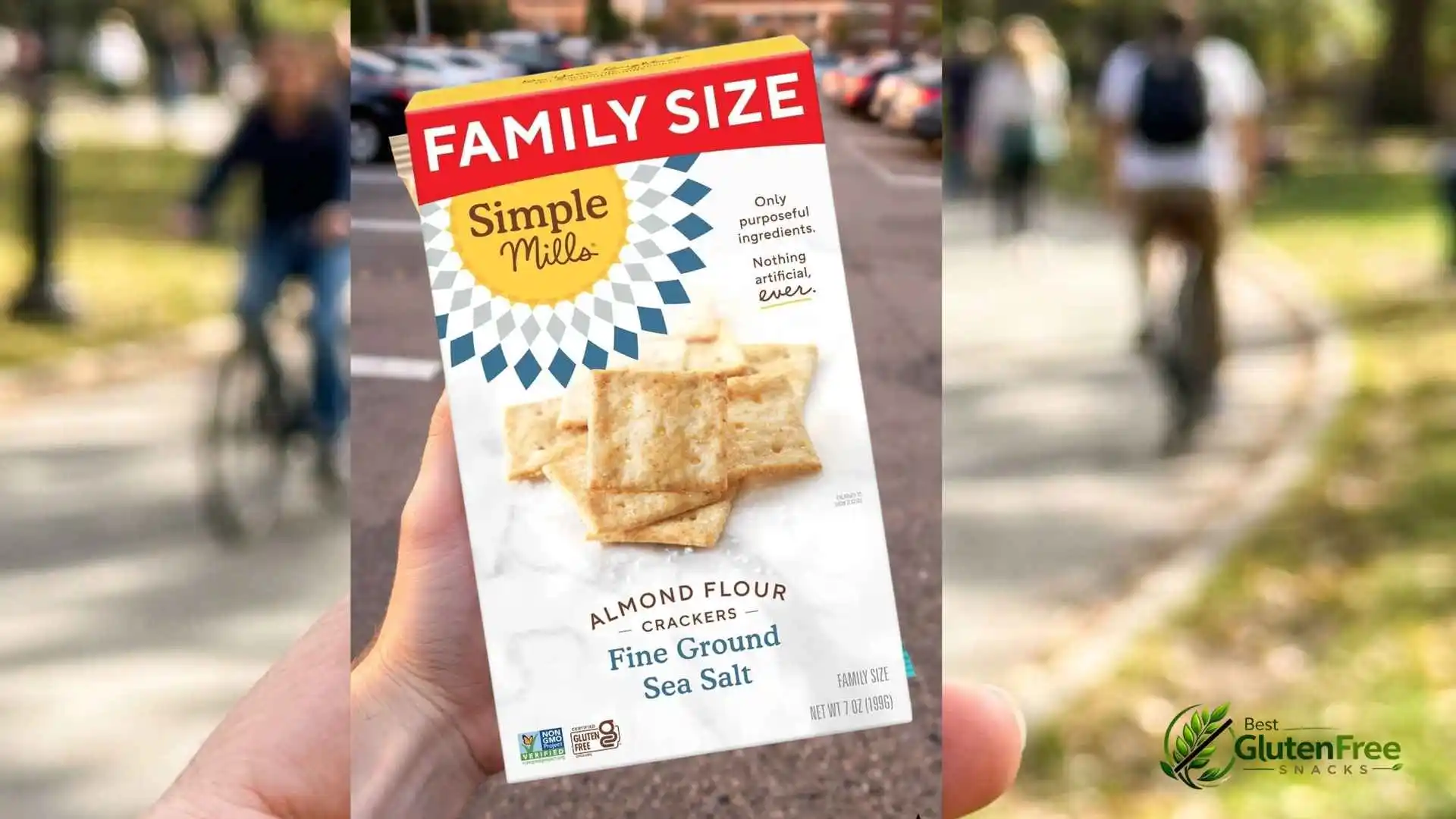
Simple Mills Crackers are made with almond flour, flax seeds, and a few simple ingredients, which is why they feel more solid compared to most gluten-free crackers. The texture is slightly denser but still crisp enough to replace regular wheat crackers without that dry, sandy feel.
These are the rare gluten-free crackers that don’t taste like cardboard. They are sturdy enough for hummus and savory enough to eat plain. They also don’t break easily in the bag, which makes them practical for work.
I like them because they don’t rely on starch-heavy fillers. You can pair them with hummus, cheese, or even eat them plain, and they still feel complete. If you have a nut allergy, stay away, as the base is almond flour. Also, if you want a buttery, “Ritz-style” flaky cracker, these will feel too dense and “earthy” for you.
Best for: Paleo-Friendly Cravings
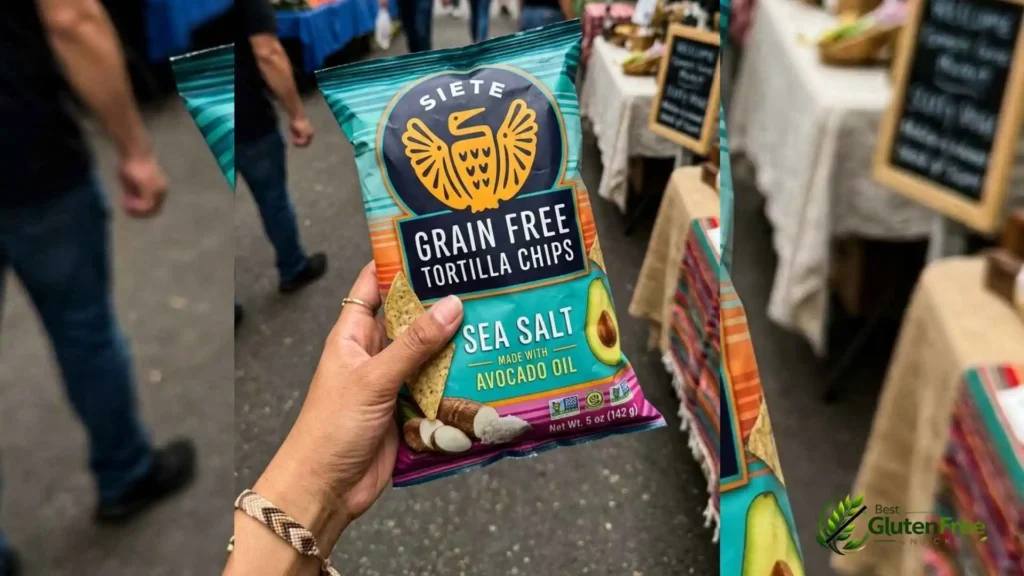
These chips are usually made from cassava flour or other grain-free bases, so the texture is slightly different from regular chips, but not in a bad way. They feel light, crisp, and easier to eat without that oily after-feel once you start eating them.
Taking these on a weekend trip, thinking they’d just be an “okay” option. But during the drive, they feel like the best substitute for a heavy meal. You can use them casually, like watching a movie or sitting with friends. Not the most filling option, but definitely one of the better “buy and eat without thinking” snacks.
Best for: Paleo-Friendly Cravings
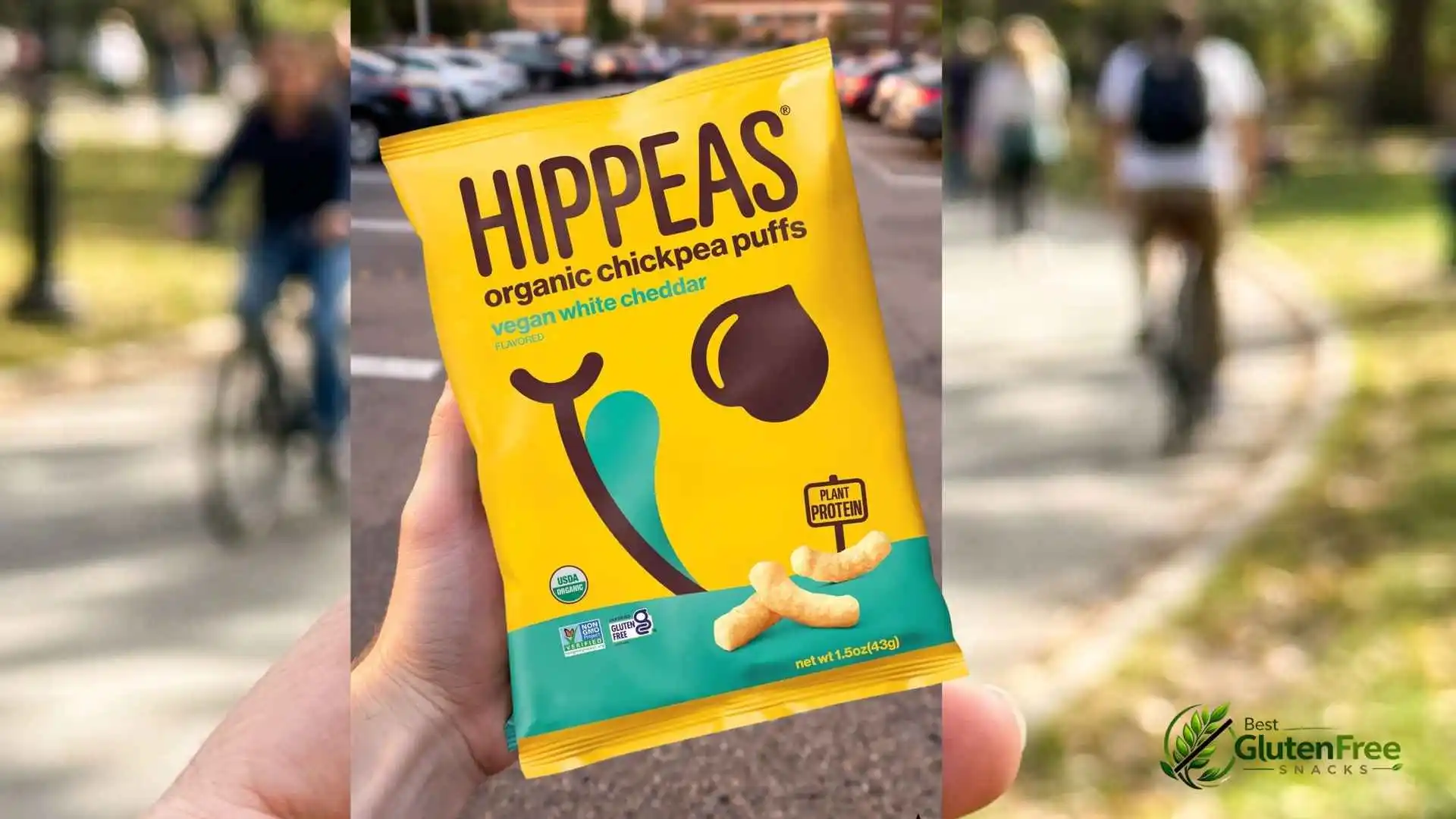
Made from chickpea flour and plant-based protein, these are light, airy, and surprisingly addictive. They don’t feel heavy like traditional chips, and the texture is closer to cheese puffs, something most people are already familiar with.
At home, these snacks work for both kids and adults to pick without hesitation. My daughter calls them “yellow balls,” and honestly, that’s enough proof of acceptance. They are the perfect ‘clean’ alternative to Cheetos, kid-tested and adult-approved. If you like crunchy food without junk food, you can pick this. Easy to carry, easy to eat, and rarely left unfinished.
Best for: Kids & School Lunches
Sweet snacks confuse most people and lead them to make the wrong choice. They look clean from the outside, but inside, they are just sugar-heavy. The goal here is not to remove sweetness, just keep it in control.
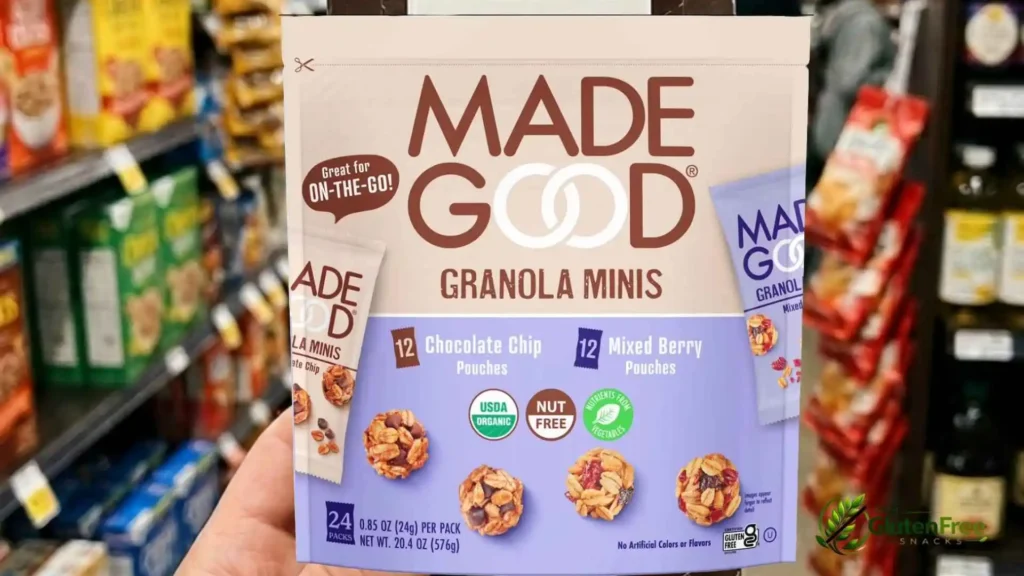
These are soft oat-based bites made with gluten-free oats, seeds, and simple ingredients. They’re small, easy to portion, and often free from common allergens, which makes them useful for school or quick snacks.
I usually keep a box at home for those moments when you just want something sweet but don’t want to open a full dessert. My daughter finishes them quickly, and I don’t worry about giving more than one pack because they’re not overly heavy. They don’t give the feeling of an instant sugar rush. Serious athletes looking for a high-protein bar. These are 90% carbs and meant for a quick energy burst or a toddler’s lunchbox, not for muscle recovery. For full lunchbox and picky eater options, see our gluten free snacks for kids guide.
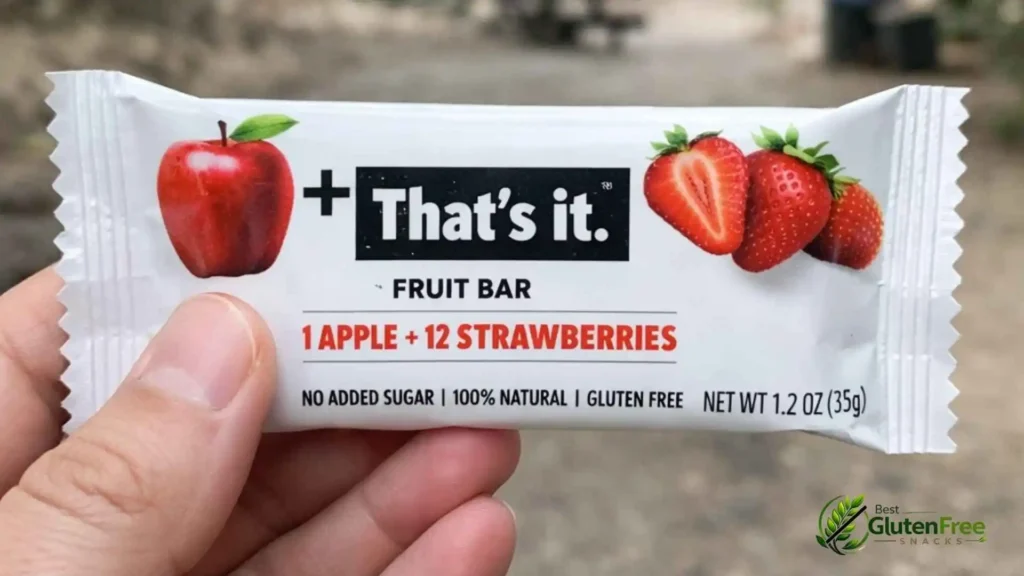
These are as simple as they get, usually just an apple and one other fruit. No added sugar, no long ingredient list, nothing confusing. The texture is chewy but not sticky, and you can easily carry them. In 2026, these remain the gold standard for ‘transparent labeling’ as many other brands have started adding hidden fibers. My family carries them during travel multiple times, especially when I don’t want to rely on packaged sweets. They don’t melt, don’t make a mess, and feel clean. They look perfect: when you want something sweet without thinking twice about ingredients, they are not filling like protein snacks.
Best for: Minimalist Eaters & Toddlers
6. Hu Dark Chocolate Bars
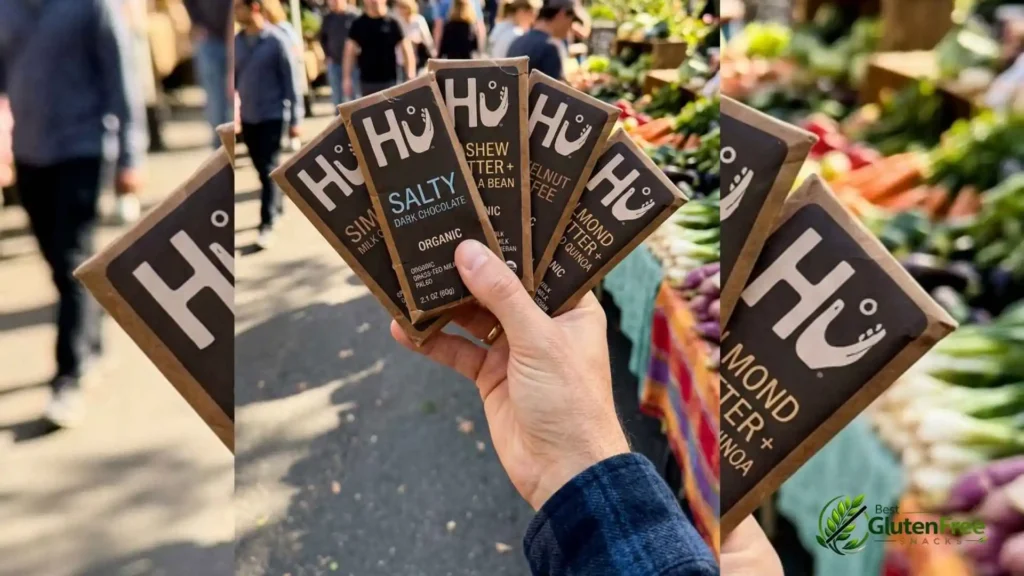
While many store-bought sweets are loaded with cane sugar, Hu Dark Chocolate Bars stand out as a ‘clean-label’ favorite. They are paleo-certified and grain-free, making them a reliable gluten-free chocolate option. I love these because they use simple ingredients like organic cacao and coconut sugar, avoiding the refined fillers found in cheaper brands.
I consider it a decent alternative to buying desserts during evening cravings. I find it satisfying because it balances a rich cacao flavor with just enough sweetness from coconut sugar. You don’t need much, just a small portion does the job.
Sometimes the best snack isn’t in a package,t it’s just a smart combination.
Best for: Clean-Label Indulgence
I hope these snacks will satisfy your hunger. Please check here some simple high-protein snacks.
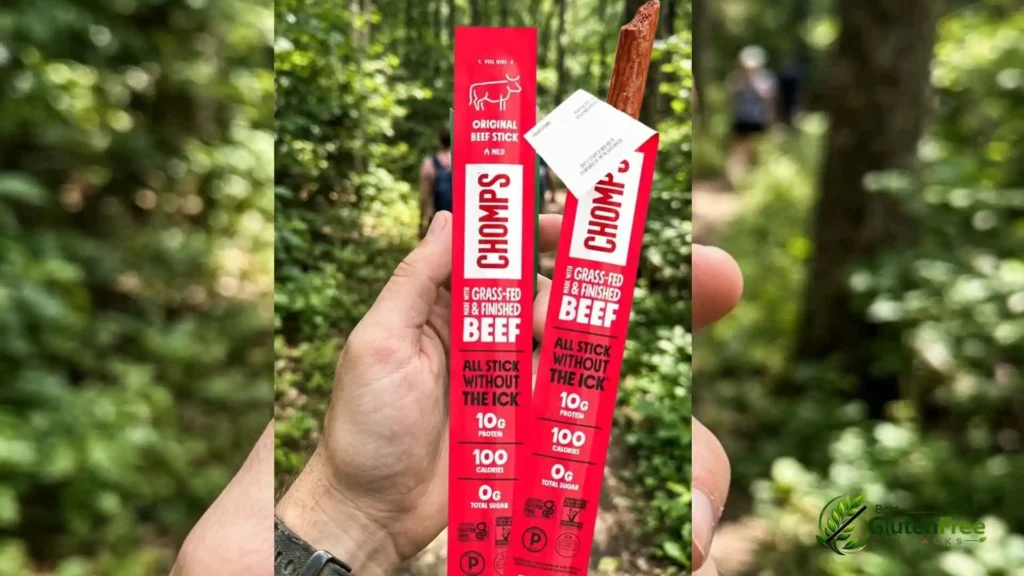
In the high-protein category, I listed it first because it is a high-protein snack made from grass-fed meat with simple seasoning. Around 9–10g of protein in a small stick makes a big difference when you are hungry.
On my list, this is another snack I like to carry while driving. The best part? A single stick provides enough protein to keep hunger at bay for hours.
They do not need refrigeration, create no mess, and are easy to bring. Chomps are meat sticks (chewy/meaty), not crunchy chips.
Best for: Commuters & Road Trips
8. RXBAR
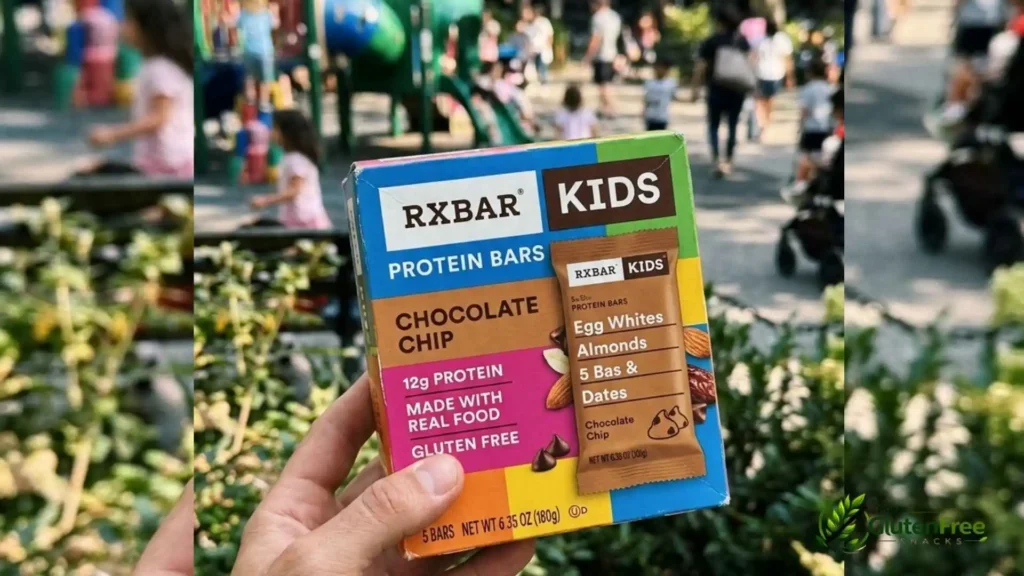
As a Snack lover, I keep trying multiple snacks, but the RXBAR is the one I keep going back to. The texture is a bit dense at first, but it will help you fill up. I love carrying one RXBAR on a long day when I couldn’t sit down for a proper meal, and it held me for hours. The ingredients are simple, and you can easily feel what you are eating. You will not feel iasexcited, but it is the most reliable option to go with. Anyone who hates a “jaw workout.” These bars are notoriously sticky and chewy because of the dates. If you have sensitive teeth or dislike food sticking to your molars, avoid these.
Best for: Sustained Energy (Meal Gap)
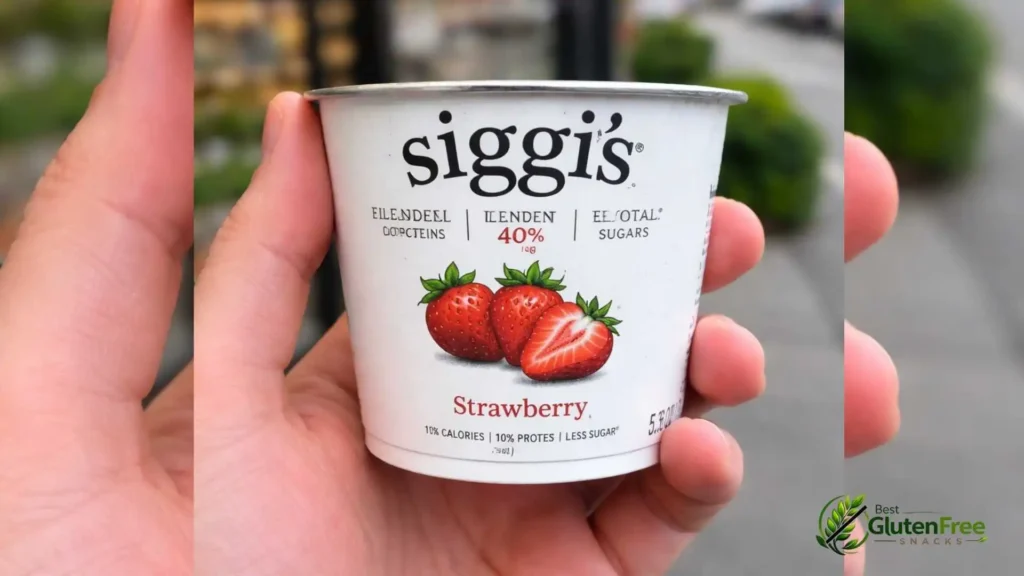
When I want something that feels like food, not just a light snack, Siggi’s is the best to approach. It’s thicker than regular yogurt, and that makes a big difference; you don’t feel hungry right after. I started using it at night when I didn’t want a heavy meal, and it worked better than expected. It’s not overly sweet, which I personally prefer, and once you start using it, regular yogurt starts to feel a bit empty.
Best for: Post-Workout Recovery
You don’t always need premium brands. Some of the best snack setups come from simple, affordable choices.
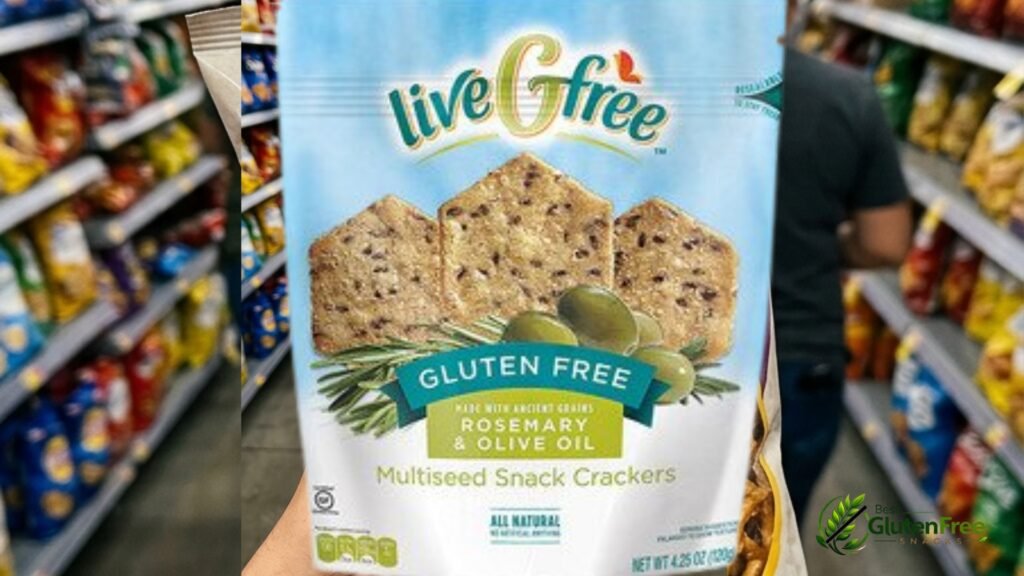
ALDI has some surprisingly reliable options, and their LiveGfree Gluten Free Crackers are ones I mostly like to pick. They’re simple, not overloaded with ingredients, and cost noticeably less than brands like Simple Mills. You can buy them for regular use instead of saving “better” snacks for later, and honestly, they held up well. For everyday snacking, this one helps you cut costs without feeling like you are compromising.
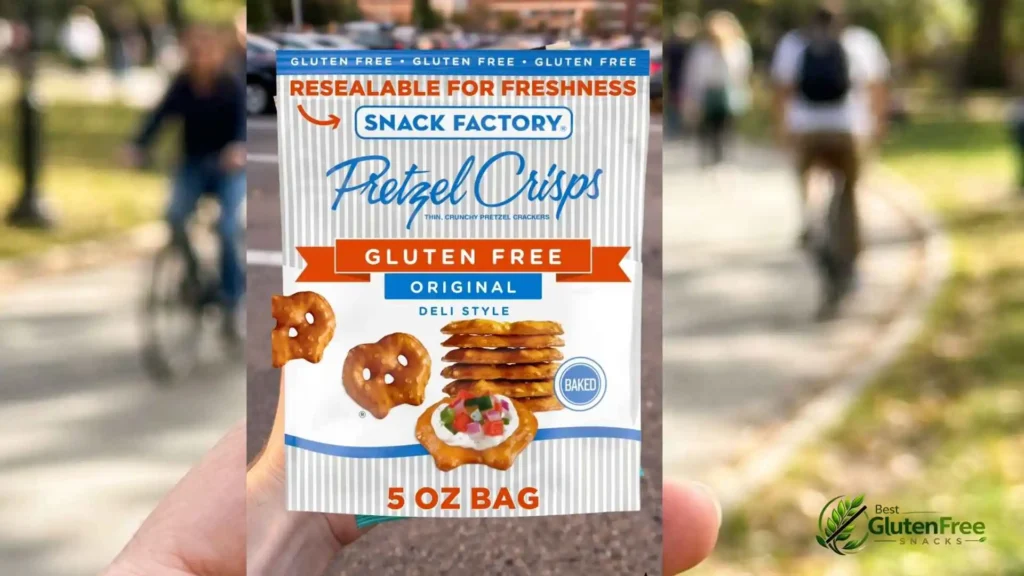
Walmart’s Great Value Gluten Free Pretzels, you can grab them without thinking too much, and you love them. They’re affordable, easy to find, and work when you just need something quick. During busy days when I didn’t want to spend extra on branded snacks,s just ordered them. They are not fancy, but they do their work as well, and sometimes we just need this thing.
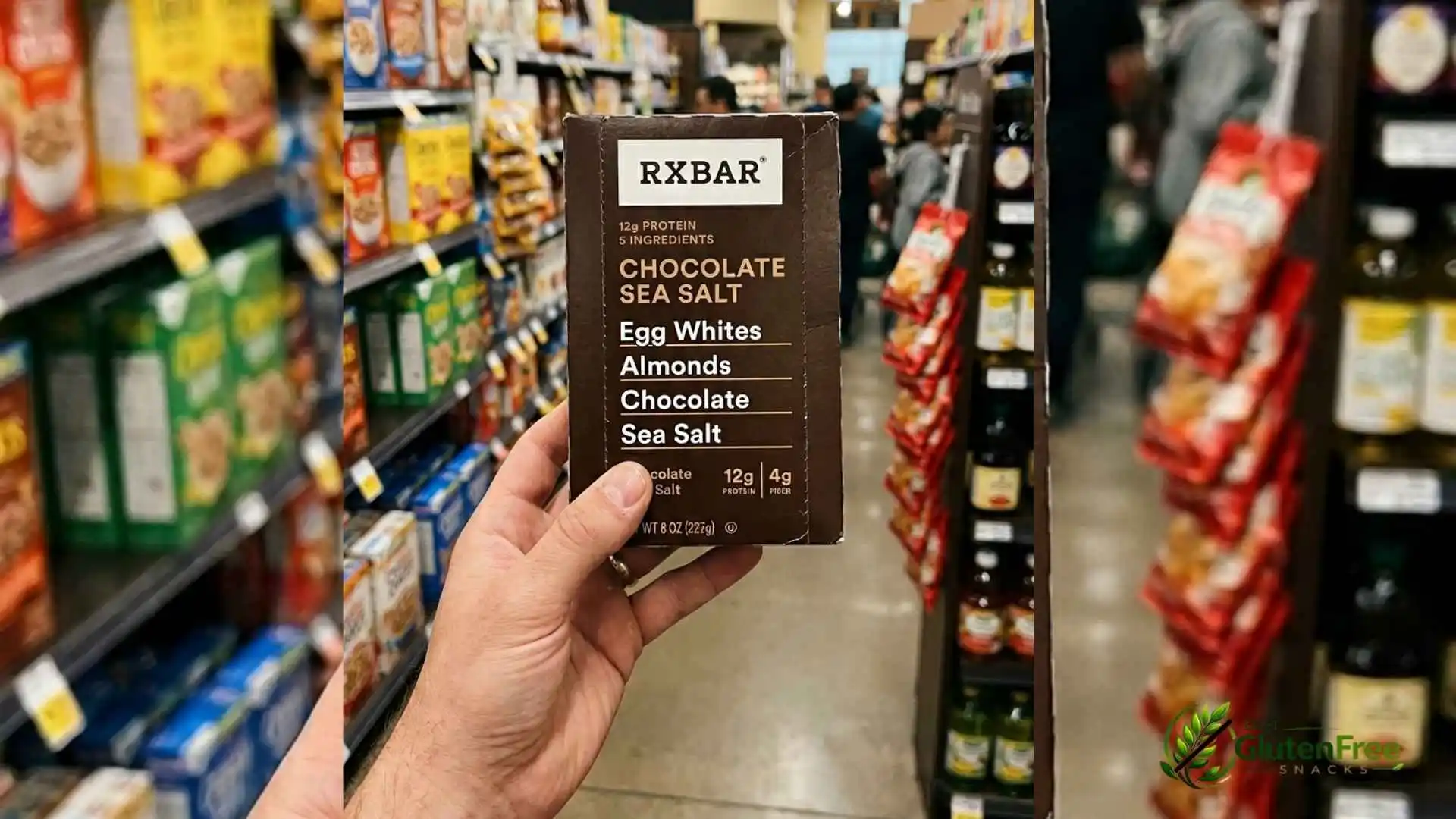
For things we use regularly, we hate to buy them again and again. So, we switched to bulk. RXBAR Chocolate Sea Salt is one, as I mentioned above, that I order in bulk from Amazon. It reduces the cost per bar and saves me from last-minute store runs. I remember a time when I was on a low budget, and I loved to buy random snacks, but bulk buying fixed that completely. Now it’s just there when I need it.
This kit is for the moments when plans change. These snacks don’t need a fridge, can survive being tossed in a backpack, and won’t turn into a mess if left in a warm car.
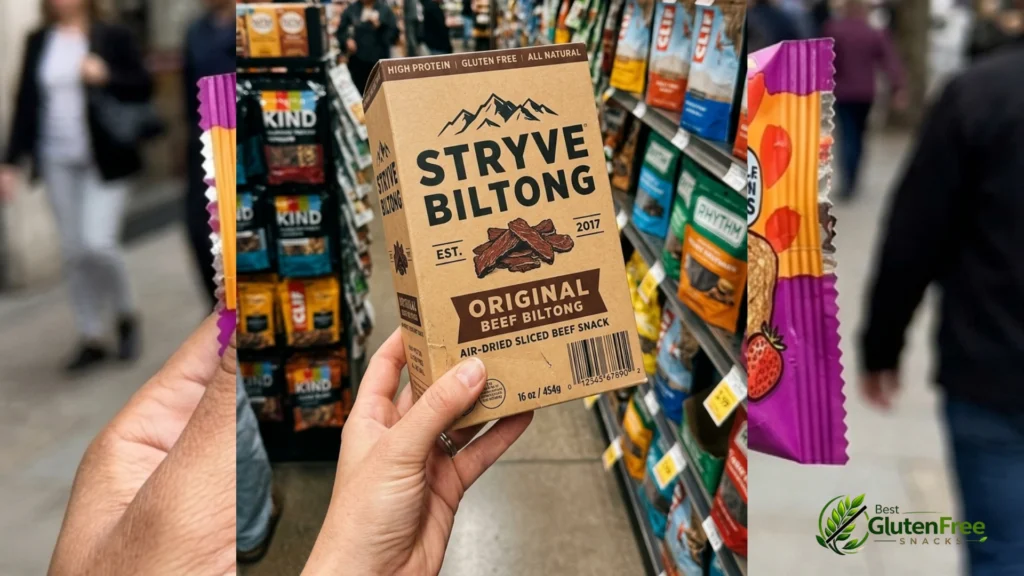
While regular beef jerky can sometimes be sticky or loaded with sugary glazes that get messy in the heat, Biltong is air-dried and vinegar-cured. It’s much thinner and “drier” (in a good way), making it the ultimate clean protein for a hot car. It has 0g of sugar and roughly 16g of protein per serving. Because it’s air-dried, the texture stays consistent even if the temperature rises. It’s the closest thing to a “steak in a bag” you can find.
Best for: High-Protein Hunger & Hot Climates
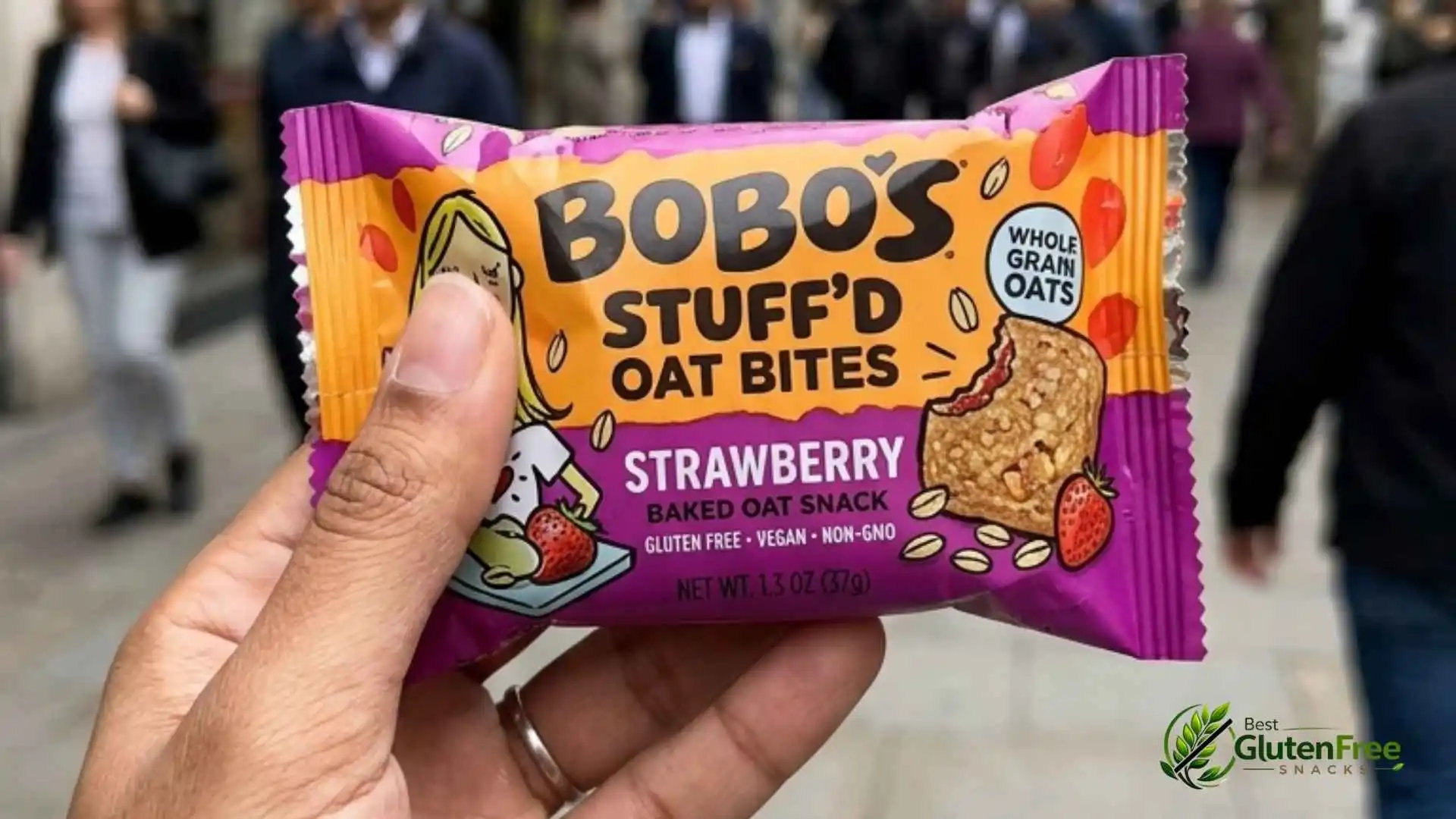
Most granola bars with a chocolate coating will turn into a liquid mess by noon. Bobo’s are made with gluten-free “Purity Protocol” oats and coconut oil, pressed into a dense, moist cake that is surprisingly tough. You can drop these, sit on them in a bag, or leave them in a glove box, and they still taste fresh. They remind me of a dense, homemade oatmeal cookie. They are filling enough to bridge the gap between lunch and dinner when you’re stuck in traffic. Plus, they come in “Stuff’d” versions with peanut butter or jelly that stay contained inside the oat crust.
Best for: Filling the “Meal Gap” on Long Trips
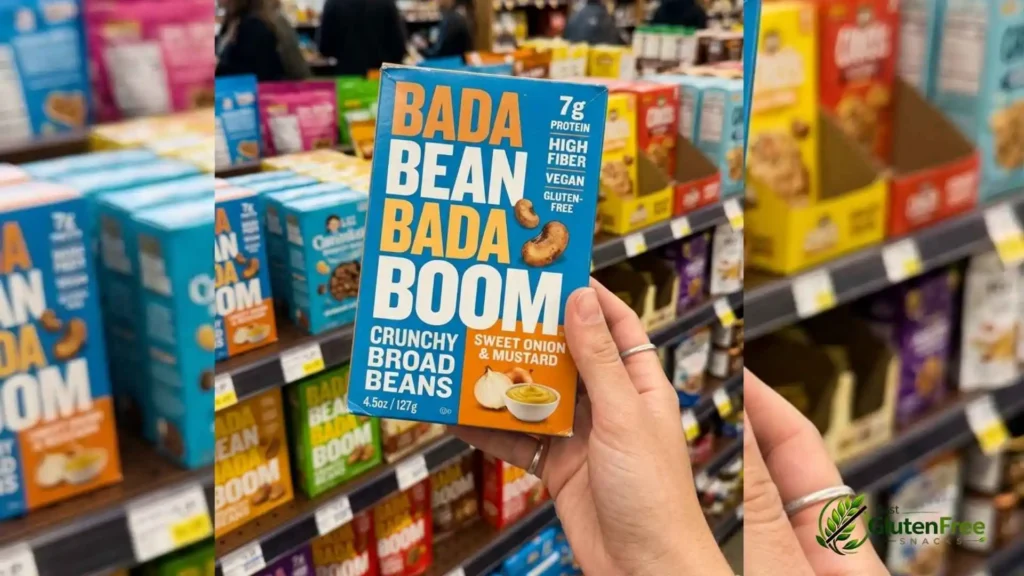
If you’ve ever reached for a bag of chips at the bottom of a backpack only to find a pile of salt and dust, you need these. These are roasted broad beans (fava beans) that are significantly harder and sturdier than potato or corn chips. They give you that massive “crunch” factor but also provide 7g of protein and 5g of fiber. They are “Satisfaction” in a bag they don’t break easily, so they actually survive the rigors of a real travel bag.
Best for: Savory Cravings & Durable Snacking
Even careful buyers fall into the same patterns when choosing gluten-free snacks. It’s not about lack of options, it’s about choosing the wrong ones without realizing it. I’ve made these mistakes myself, especially in the beginning when everything labeled “gluten-free” felt like a safe choice.
Here are the most common ones to watch:
Over time, I stopped experimenting too much and focused on what actually fits into daily life. Now I follow a simple approach that actually works in daily life and saves time, money, and effort.
Here’s what I follow:
At some point, I realized that having fewer, reliable snacks works much better than constantly trying new ones. Once you find what works, you don’t need to keep searching.
Gluten free snacks don’t need to be complicated or expensive to be useful. Just pick 3–4 snacks and stick with them. From my experience, the best approach is to keep things simple. Find a few snacks that work for you: something filling, something light, and something easy to carry, and stick with them. That alone removes a lot of daily decision-making.
Once you know which snacks work, you stop wasting time standing in store aisles or buying things you won’t use. It becomes less about trying everything and more about relying on what already fits your day.
Snacks that are simple, repeatable, and balanced work best. Options like chickpea snacks, yogurt-based snacks, and protein bars are easy to use daily without needing preparation.
Not always. Many rely on starch and sugar. The better options include protein, fiber, or whole ingredients instead of just being labeled gluten-free.
What gluten free snacks should I buy for travel?
Choose snacks that don’t melt, spill, or spoil quickly. Meat sticks, trail mix, and packaged bars are the most reliable for travel.
Store brands, ALDI products, and bulk purchases from Amazon are usually the cheapest options. Simple snacks like popcorn or nuts also reduce cost.
Check ingredients, not just labels. If the snack has some protein, fiber, and simple ingredients, it’s more likely to be useful and filling.
Snacks with protein work best. Options like meat sticks, yogurt, or nut-based snacks keep you full longer than light snacks like chips.

Muhammad Asad Sharif Muhammad Asad Sharif is a dedicated gluten-free snacks researcher and reviewer with over 8 years of experience living gluten-free. He focuses on evaluating products through real-world testing examining ingredient quality, texture, nutritional balance, and label accuracy to ensure every recommendation is both safe and practical. His work is built around strict gluten-free standards (under 20 ppm) and a clear goal: helping readers choose snacks that are reliable, well-made, and genuinely worth buying.
