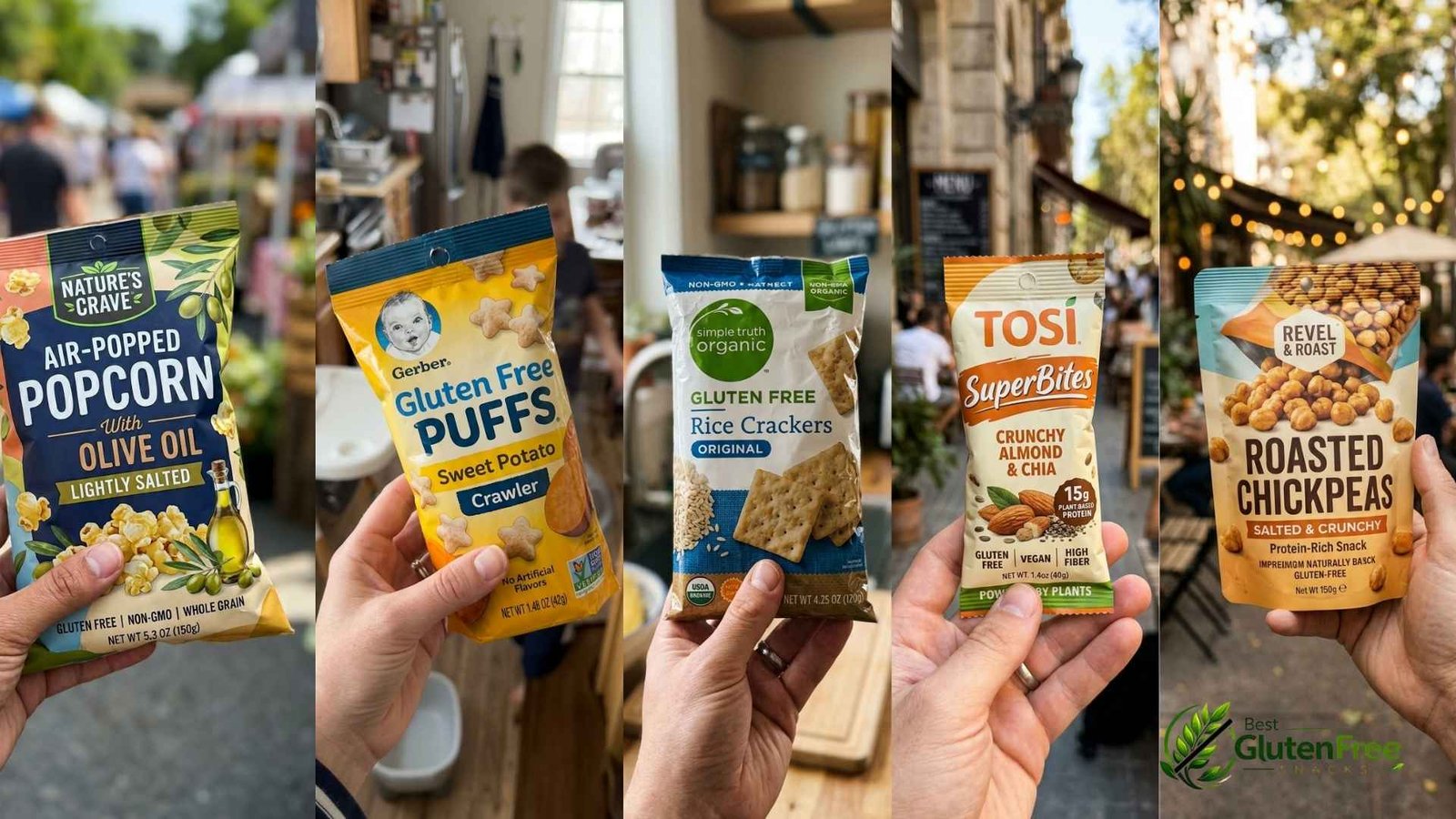
Gluten-free snacks for kids are foods free from wheat, barley, and rye that prioritize safety and nutrition. The best options include naturally gluten-free whole foods like fruit and cheese, or certified packaged brands like MadeGood and Chomps.
Busy parents usually need two things from a snack: it has to be safe, and it has to be easy. That is why this section starts with quick wins you can buy or make in minutes, not long theory.
I like to keep focus on real lunchbox life. On the front of the pack, some gluten-free kids’ snacks look fine, but once you check the label, sugar or school allergy rules.
Choosing the best gluten-free snacks for kids gets easier when you focus on quick, proven options instead of guessing in the store. This table gives you fast, reliable choices you can use daily without overthinking.
| Snack | Type | Protein | Best For | Source | Price Range | Where to Buy |
|---|---|---|---|---|---|---|
| Apple + almond butter | Fruit + healthy fat | ~4g | After-school balance | Homemade | $1–$2 | Grocery stores |
| Greek yogurt + chia + berries | Protein-rich cup | ~12g | Fullness, steady energy | Homemade | $1.5–$3 | Grocery stores |
| Roasted chickpeas (olive oil) | Crunchy savory | ~6g | High-fibre crunch | Homemade | $1–$2 | Grocery stores |
| Cheese + GF crackers | Savory combo | ~6–8g | Lunchboxes | Mixed | $3–$5 | Grocery stores, Target |
| Chomp’s meat stick | Protein snack | 10g | Travel, sports | Store-bought | $2–$3 per stick | Walmart, Target, Amazon |
| MadeGood granola minis | Soft oat bites | ~2g | Nut-free lunch | Store-bought | $4–$6 per box | Target, Sam’s Club, Amazon |
| Good & Gather fruit bar | Soft bar | 3g | Quick snack | Store-bought | $3–$5 per box | Target |
If you’re planning to stock up instead of making everything at home, this list of gluten-free snacks to buy helps you compare options quickly.
Quick Safety Check for Kids’ Snacks
Companies trick the parents mostly with the label malt or malt flavoring, certain starches or preservatives, seasoning blends, and sauces. Avoid malt, malt vinegar, and malt flavoring. Be careful with seasoning packets, sauces, and flavored coatings. For school, choose snacks that also fit nut-free or allergen-friendly rules when needed. For a full ingredient breakdown, see our complete gluten-free snacks guide.
Finding gluten-free snacks for kids in stores sounds easy until you flip the pack and see long ingredient lists, hidden sugars, or unclear labelling. Most kids don’t reject gluten-free snacks because of the label. They reject them because something feels “off” the moment they take the first bite. This is where understanding certified gluten-free snacks becomes important, especially for avoiding hidden cross-contact risks. If you’re focusing more on fullness and fewer snack requests, this guide on high-protein gluten-free snacks is worth checking.
So instead of random picks, I group snacks that kids like most:
Crunch matters more than we think. If the texture feels off, kids notice immediately and won’t touch it again.
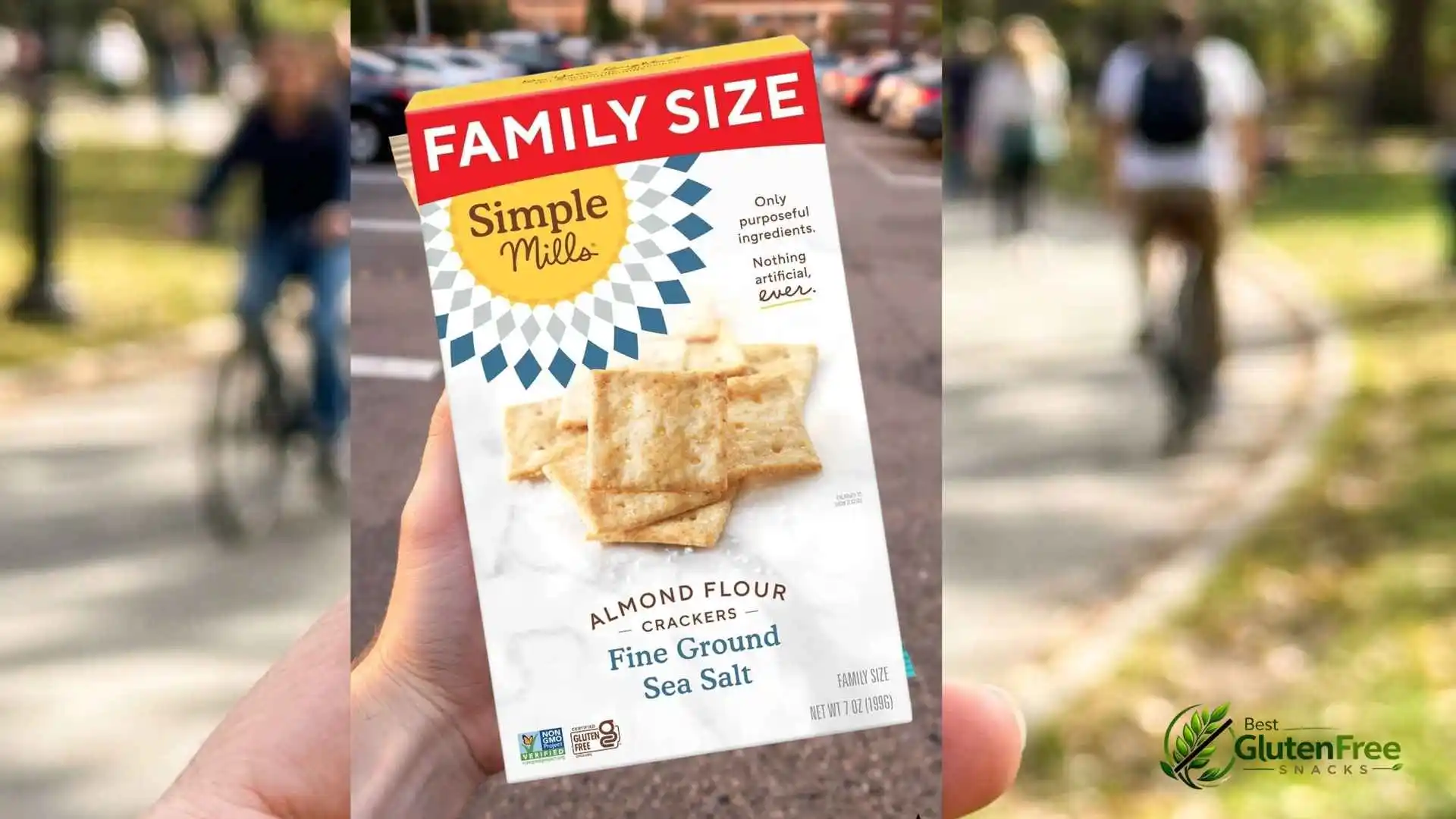
Simple Mills Almond Flour Crackers use almond flour and flax seeds, so the crunch feels closer to real wheat crackers, not dry or sandy. I found they hold up well with hummus or cheese spreads, which makes them useful beyond just snacking. My daughter liked the sea salt version right away, while my son needed a dip before he got into them. They’re Certified Gluten Free and made with clean ingredients, so I don’t second-guess packing them. Best for kids who miss classic crackers but need a better ingredient base.
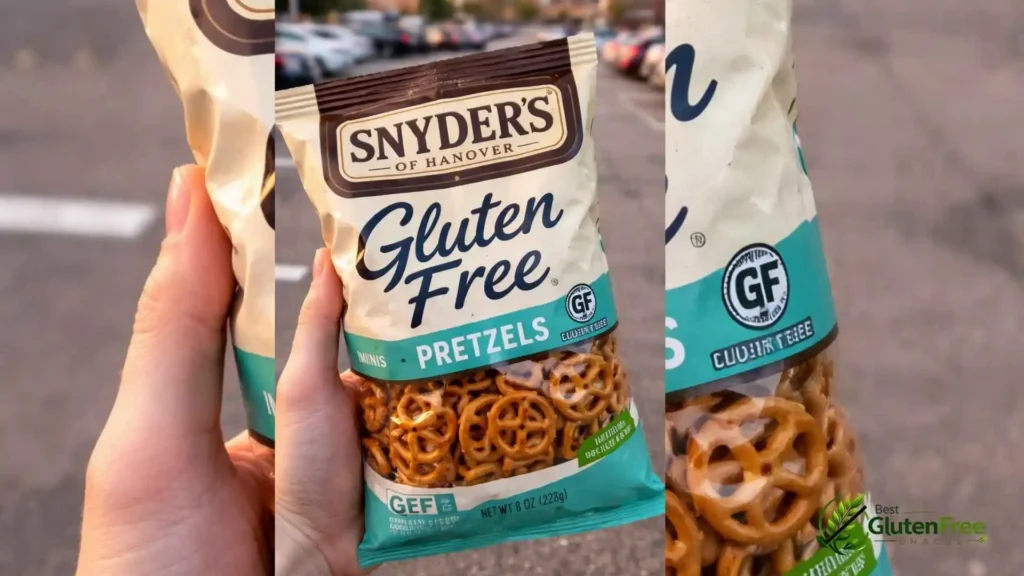
These are one of the few gluten-free kids’ snacks that feel like regular pretzels. They use a blend of corn starch and potato starch, but the texture stays crisp and not too hard. I noticed kids tend to grab these quickly during playdates because they look familiar. My son finished a whole small pack without complaining, which rarely happens with GF pretzels. Good option when you need something simple, crunchy, and widely available.
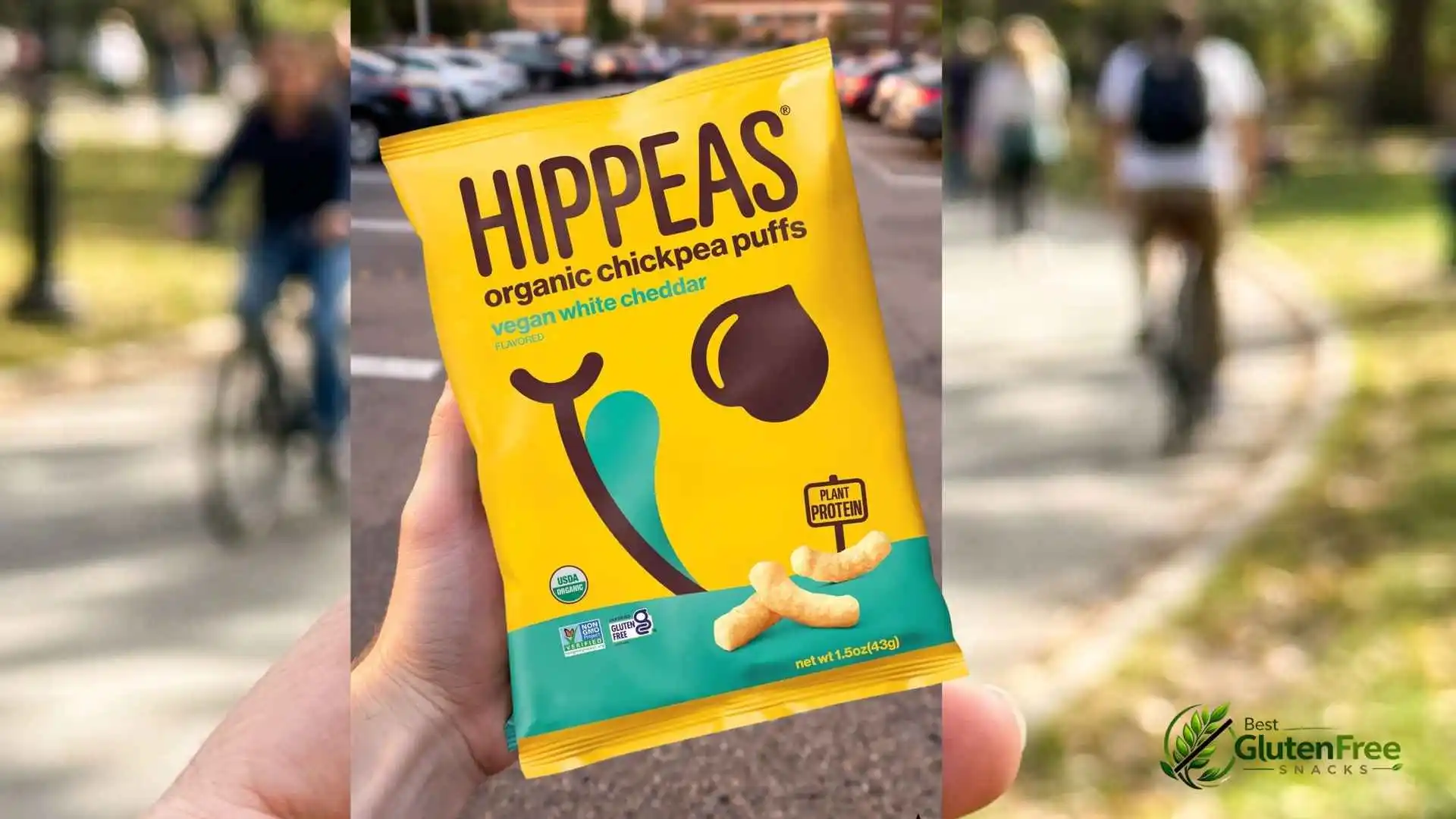
Kids accept this because they are made from chickpeas and fava bean protein, which gives a light, airy crunch with a bit more protein than standard chips. I’ve used them as a swap for cheese puffs, and honestly, kids don’t question it much. My daughter calls them “yellow crunchy balls,” which says everything about the acceptance level. They’re plant-based snacks and often come in flavours kids recognize. A smart pick when you want crunch without going full junk food. You’ll find more options like this in broader gluten-free snack ideas that work for both kids and adults.
Sweet snacks confuse the parents, and they pick the wrong ones for kids. Many are just sugar-heavy replacements, so I try to keep these a bit more balanced.
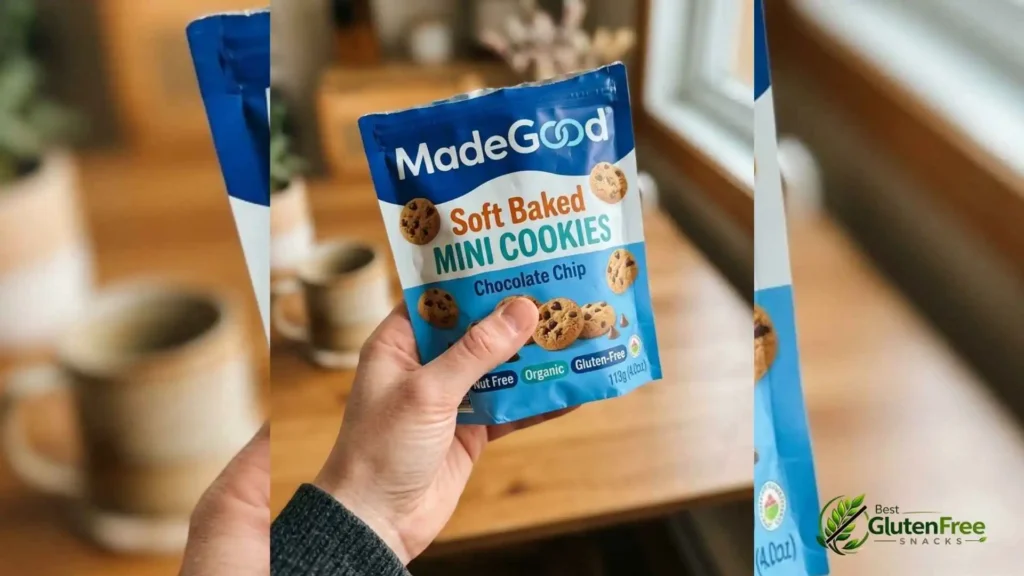
These soft oat-based bites are school-safe and often free from top allergens, which helps a lot for packed lunches. They include ingredients like flax seeds and chia seeds, so there’s a bit more nutrition than typical cookies. My daughter loves the chocolate chip version, and I have noticed they don’t cause that quick sugar crash. Texture is soft-baked, so younger kids handle them easily. Great for gluten-free school snacks where nut restrictions apply.
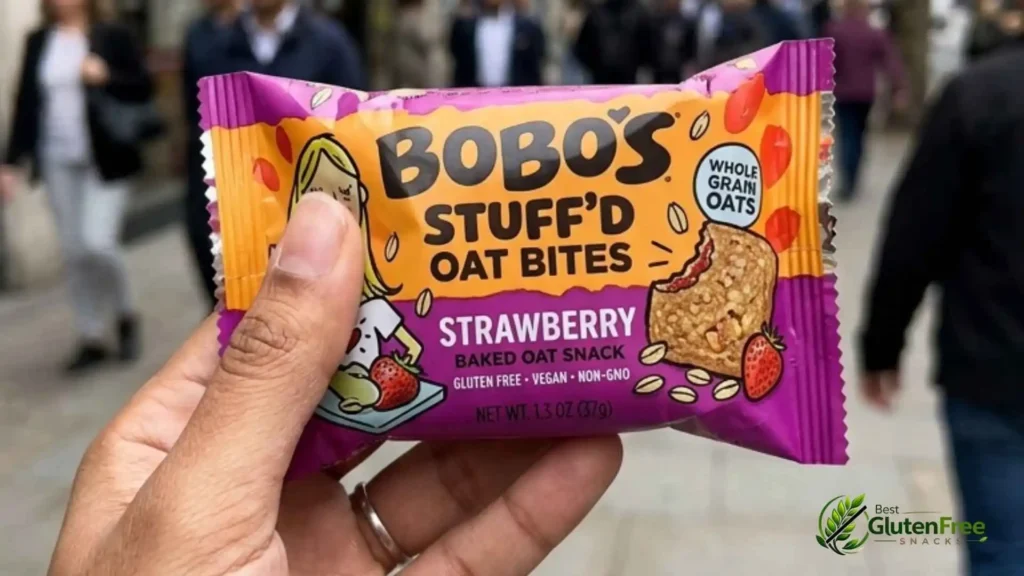
These feel more like homemade bars, using whole-grain oats and simple ingredients. They’re slightly dense, which keeps kids full longer compared to airy snacks. My son hesitated at first because of the texture, but once he started eating the apple pie flavour, he loved it. They taste something like minimally processed foods, which I prefer for regular rotation. Best for kids who like soft, filling snacks over crunchy ones.
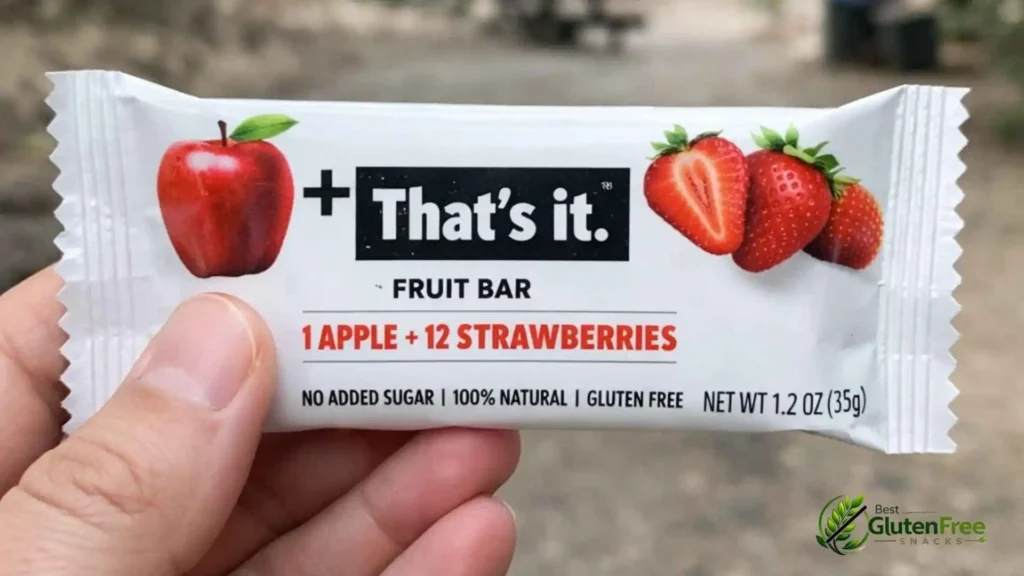
These are made with just fruit, usually apple, plus one other fruit, so they stay naturally sweet without added sugar. Texture is chewy but not sticky, which works well for lunchboxes. I have packed these during travel, and they hold up without melting or making a mess. My daughter likes them as a quick treat, especially when other sweets are limited. Good option when you want simple, natural snacks without ingredient confusion.
Protein snacks help to avoid constant hunger and the need to eat more snacks, especially after school or sports.
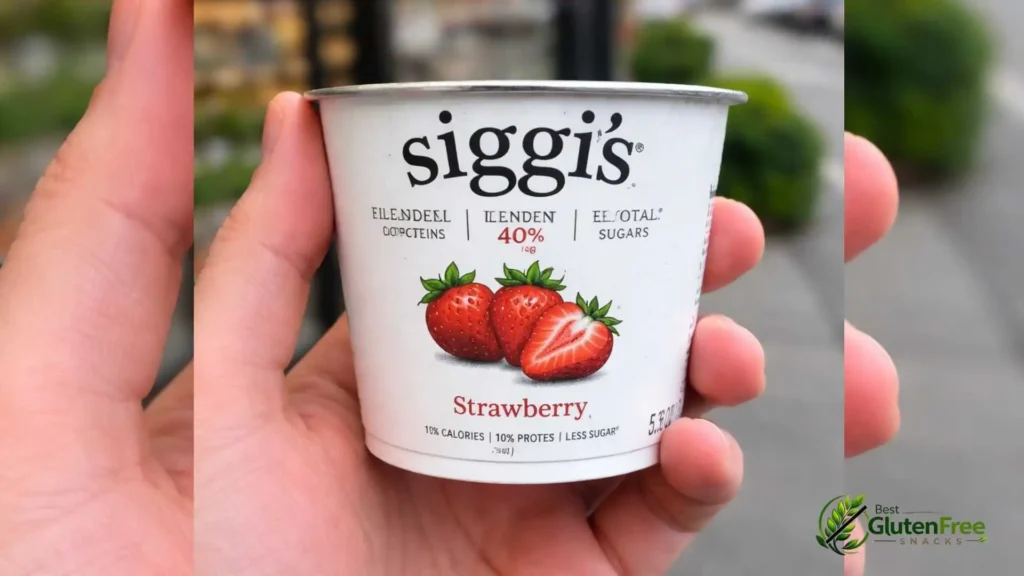
This combo works as a quick high-protein snack to use together, and they are not in the same package. Siggi’s is known for lower sugar compared to many yoghurts, and chia seeds add fibre and texture. I give my kids something after school, and it keeps them full until dinner without extra snacks. My daughter enjoys the creaminess, while my son prefers it with added berries. Works best as a fresh option at home.
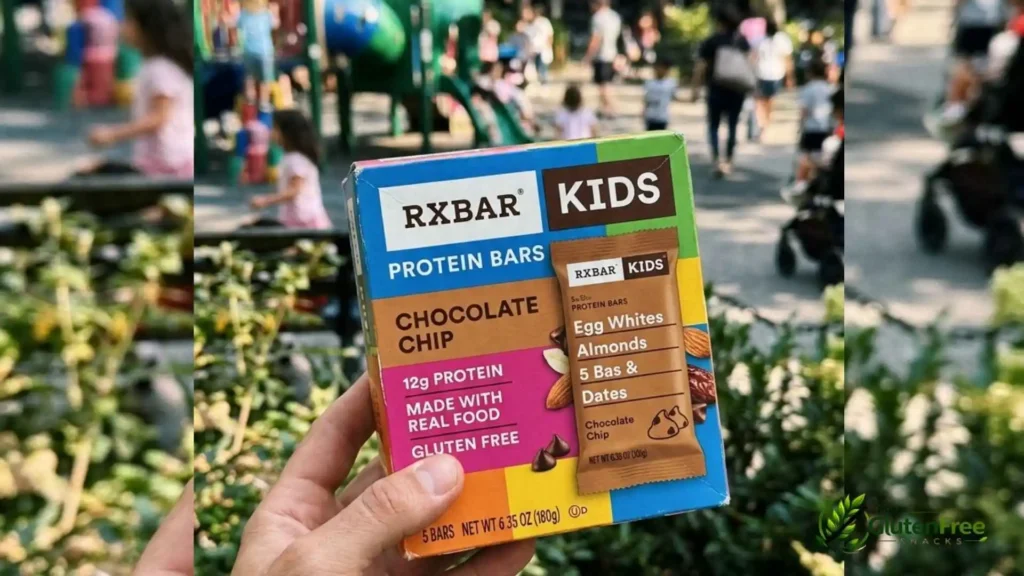
These bars use egg whites for protein and work for school because they have simple ingredients like dates and nuts. Texture is chewy and slightly dense, which slows eating and helps with fullness. I think they are good for slightly older kids who can handle that chew. My daughter likes the chocolate flavour, while my son took time to adjust to it when I gave it to him. A solid option when you want high-protein snacks without artificial extras, then you can opt for them. For similar options that also avoid dairy, this gluten free and dairy free snacks guide expands on safe combinations.
Lunchboxes need snacks that don’t leak, melt, or create a mess. That’s where many gluten-free snack options fail.
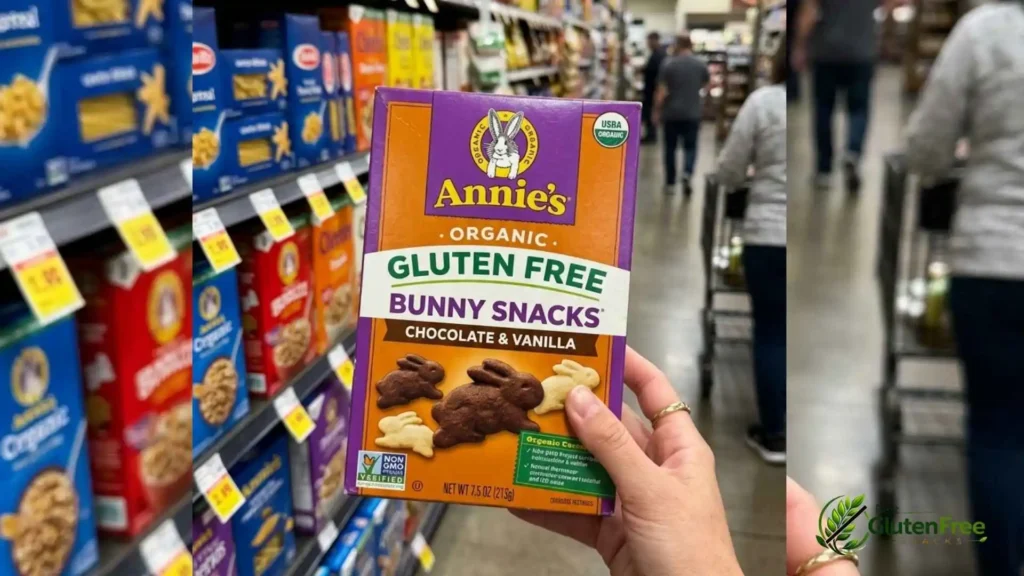
These are familiar in shape and taste; kids easily adjust to them. Annie’s Organic Gluten Free Bunny Snacks use organic ingredients and are clearly labelled gluten-free. I have packed these multiple times, and they come back empty more often than not. My daughter treats them like regular crackers, which is exactly the goal. Good everyday option for simple lunch packing.
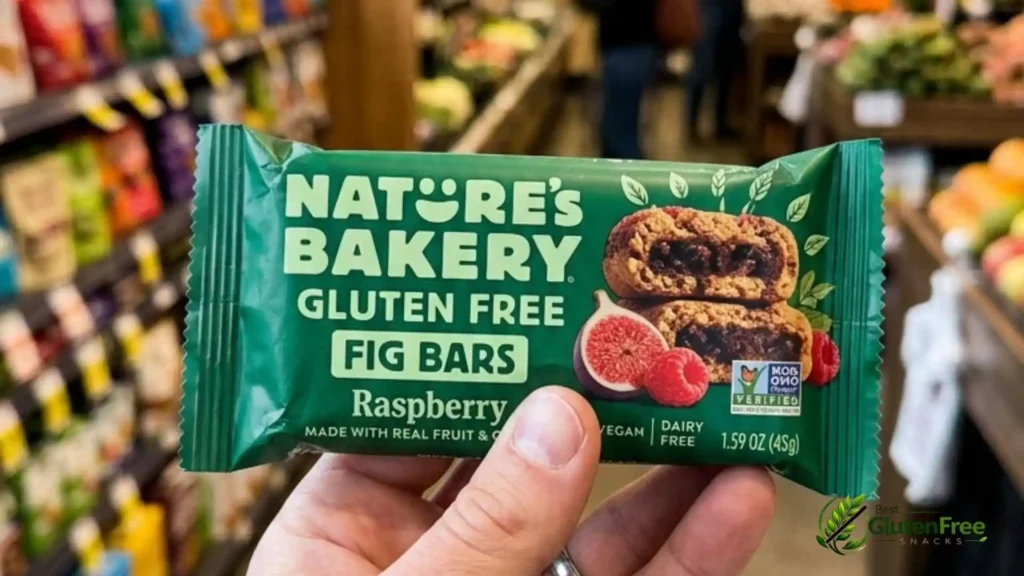
These give a soft, filled snack that feels closer to a real treat than a basic bar. Made with gluten-free flour blends, they offer a mix of carbs and some fibre. I noticed kids enjoy the jam-like centre, especially during lunch breaks. My son didn’t like the fig at first, but liked the blueberry version more. Best for kids who enjoy soft, slightly sweet snacks. If you want more balanced sweet options without relying on packaged snacks, these gluten-free snack recipes are a good place to start.
Some of the safest gluten-free snacks for kids don’t need labels at all because they’re naturally free from wheat and processed additives. They’re simple, flexible, and don’t require label-checking every single time, especially helpful when you’re rushing in the morning.
Here are some combinations which kids like: Apple slices with almond butter or banana with sunflower butter give fiber, healthy fat, and steady energy without added sugar.
When I compare the cost, these whole food snacks are often half the price of branded gluten free treats for kids.
Homemade gluten-free snacks for kids don’t need long recipes or special tools. The goal is quick prep, simple ingredients, and kids will eat without fuss.
I usually like the snacks that take just 15 minutes. If it feels like work, it won’t last in a real routine. No-Bake Snacks are the fastest wins when kids are hungry, and you need something right away. You can mix oats (gluten-free) + almond butter + chia seeds + honey → roll into energy bites. If you have 10–15 minutes, these feel more like “proper” snacks without much work. Slice potatoes, drizzle olive oil → bake quick chips. For the complete list of homemade snacks, you can see our detailed guide on gluten-free snacks.
School snacks need to be simple, safe, and mess-free. Most parents struggle here because snacks have to survive hours in a bag, follow school allergy rules, and still be something kids actually finish.
The best gluten-free school snacks are shelf-stable, easy to open, and don’t need refrigeration. I have tested these during real school mornings, and they come back eaten, not untouched. Many of these also appear in real brand comparisons inside this gluten free snack brands ranking.
Enjoy Life Chewy Bars are top 8 allergen free foods, so they work in almost every school setting. They’re individually wrapped, soft, and easy to eat quickly during short breaks. I’ve used these when schools had strict no-nut policies, and they passed without issues. My daughter finishes them fast because they taste like a treat, not a “restricted snack.” Good for stress-free packing.
Picky eating is not about gluten, it’s about texture, familiarity, and trust. The trick is not forcing “healthy,” but making gluten free snacks kids accept without resistance.
I also observe this at home sometimes. My daughter tries new things easily, but my son hesitates unless the snack looks and feels familiar. That difference changes how I pick snacks. Here is something to keep in mind for picky kids:
These two are the best for Picky Kids:
Simple Mills Sweet Thins Cookies: These use almond flour but taste close to regular cookies, which helps with acceptance. Texture is crispy and light, not heavy or grainy.
Bobo’s Stuff’d Oat Bites (Apple Pie): Soft snacks are harder for picky kids, but these work because of the familiar flavor. The apple filling makes them feel like dessert rather than a “healthy snack.”
The same snack that my daughter finishes easily might get ignored or even refused by my younger one just because of the texture or size. So I think I must cover this section about the age and taste of snacks:
At this stage, snacks must be soft, easy to chew, and low choking risk. Avoid hard, sticky, or large pieces.
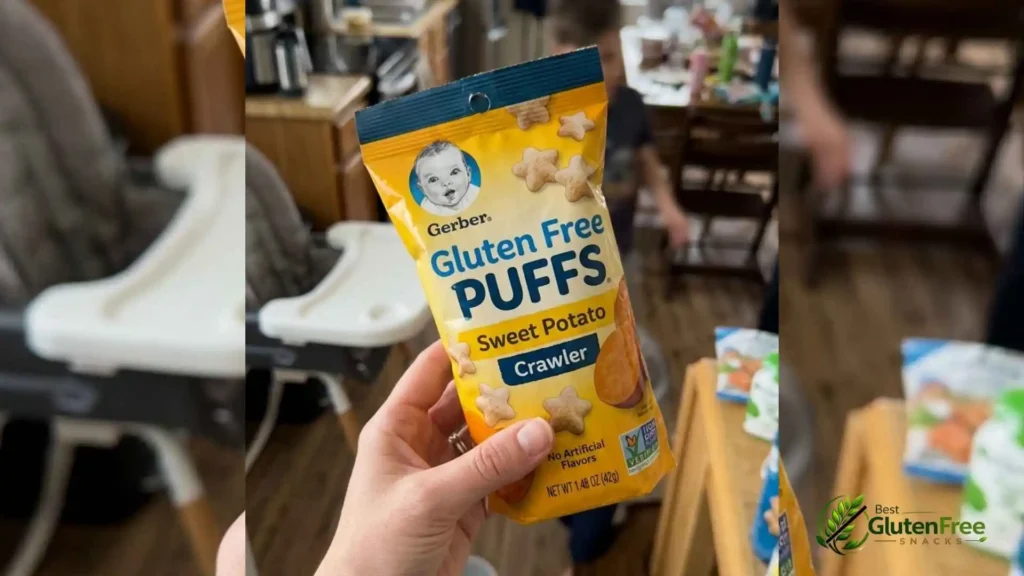
These dissolve quickly in the mouth, which makes them safe for toddlers learning to chew. They’re light, easy to hold, and come in mild flavors. I give to my kids during early snack stages, and they work without stress. My child picked them up independently, which helped with self-feeding. Great starter gluten free snack.
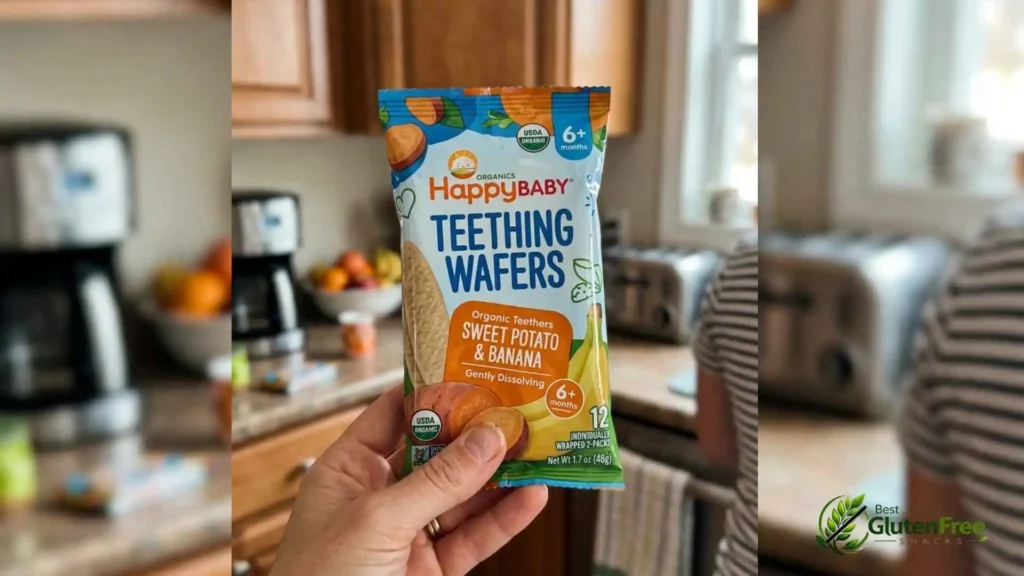
These are soft wafers that break down easily, making them safe for younger kids. Made with simple gluten free ingredients like rice flour. I found these helpful during teething phases when kids refuse harder foods. My toddler accepted them even on fussy days. A practical option for early stages.
At this age, kids want familiar snacks but still need balanced nutrition and manageable portions.
Annie’s Gluten Free Bunny Grahams: These look like regular snacks, which helps with acceptance. Crunchy but not too hard, and easy to pack in small portions.
MadeGood Chocolate Chip Granola Minis: Soft, bite-sized, and school-safe, which makes them ideal for this age group. They include ingredients like chia seeds and flax seeds for extra nutrition. everyday gluten-free school snack.
Older kids need more filling snacks, especially for school, sports, or long days out. RXBAR Kids Protein Bars provide protein from egg whites and keep kids full longer than standard snacks. Texture is chewy, so better for older kids who can handle it. You can use these before sports activities, and they prevent constant hunger.
Many parents switch to gluten-free snacks for kids’ options, thinking they’re automatically better, but that’s not always true. Some issues come from assumptions, not ingredients. Understanding certified gluten free snacks becomes important, especially for avoiding hidden cross-contact risks.
Here are some mistakes that happen often, even in careful households:
A better approach is balance. Mix whole foods with a few trusted packaged gluten free kids snacks, and always check labels instead of trusting the front of the pack.
You don’t need specialty stores for most gluten-free snacks for kids anymore, but knowing where to look saves time and money. I usually rotate between local supermarkets, a few trusted store brands, and online bulk orders depending on the week.
Most parents get stuck paying too much simply because they shop randomly instead of sticking to reliable spots.
If I had to simplify it: use supermarkets for variety, ALDI for savings, and online for bulk convenience.
Weekly Rotation System (So Kids Don’t Get Bored)
Planning snacks ahead removes daily stress and helps avoid last-minute unhealthy choices.
The idea is to mix protein, fiber, and easy grab-and-go snacks so kids don’t get bored or hungry too quickly.
| Day | Snack 1 | Snack 2 |
|---|---|---|
| Monday | Apple + almond butter | MadeGood granola minis |
| Tuesday | Yogurt + chia seeds | Chomps meat stick |
| Wednesday | Rice cakes + cheese | That’s It fruit bar |
| Thursday | Roasted chickpeas | Simple Mills crackers |
| Friday | Banana + peanut butter | Enjoy Life soft baked bar |
| Saturday | Popcorn (olive oil) | RXBAR kids |
| Sunday | Smoothie (berries + yogurt) | Bobo’s oat bite |
This mix keeps things realistic. Some snacks are homemade, some are packaged, and all are easy to repeat weekly without extra effort.
Gluten-free snacks for kids don’t need to be complicated or expensive when you focus on simple, repeatable options. A mix of whole foods, a few trusted packaged snacks, and a basic weekly plan usually solves most problems. Once kids accept a few go-to snacks, everything becomes easier. You stop experimenting daily and start relying on what already works. If you want to expand beyond kids’ snacks and build a full routine, this gluten free snacks guide helps connect everything together.
No, many chips are gluten-free by ingredients, but some include flavorings or are made in shared facilities. Always check labels for “Certified Gluten Free” or cross-contact warnings.
Snacks that are nut-free, mess-free, and individually packed work best. Options like MadeGood bars or Enjoy Life snacks are commonly accepted in school settings.
Yes, but only if they are labeled gluten-free. Regular oats can be contaminated with wheat during processing.
Simple foods like popcorn, rice cakes, fruit, boiled eggs, and homemade snacks are the most budget-friendly. Store brands like ALDI LiveGfree also help reduce cost.

Muhammad Asad Sharif Muhammad Asad Sharif is a dedicated gluten-free snacks researcher and reviewer with over 8 years of experience living gluten-free. He focuses on evaluating products through real-world testing examining ingredient quality, texture, nutritional balance, and label accuracy to ensure every recommendation is both safe and practical. His work is built around strict gluten-free standards (under 20 ppm) and a clear goal: helping readers choose snacks that are reliable, well-made, and genuinely worth buying.
